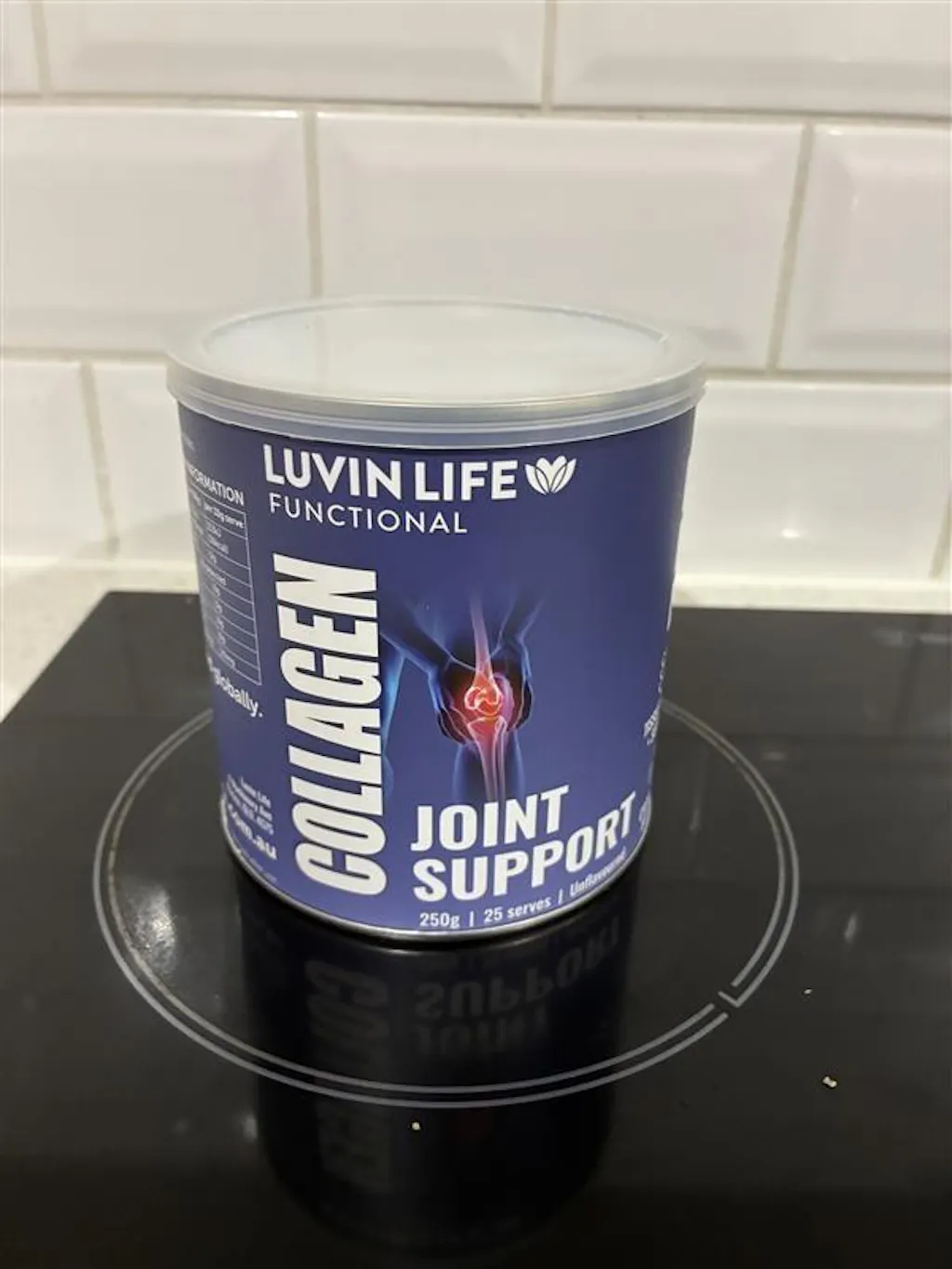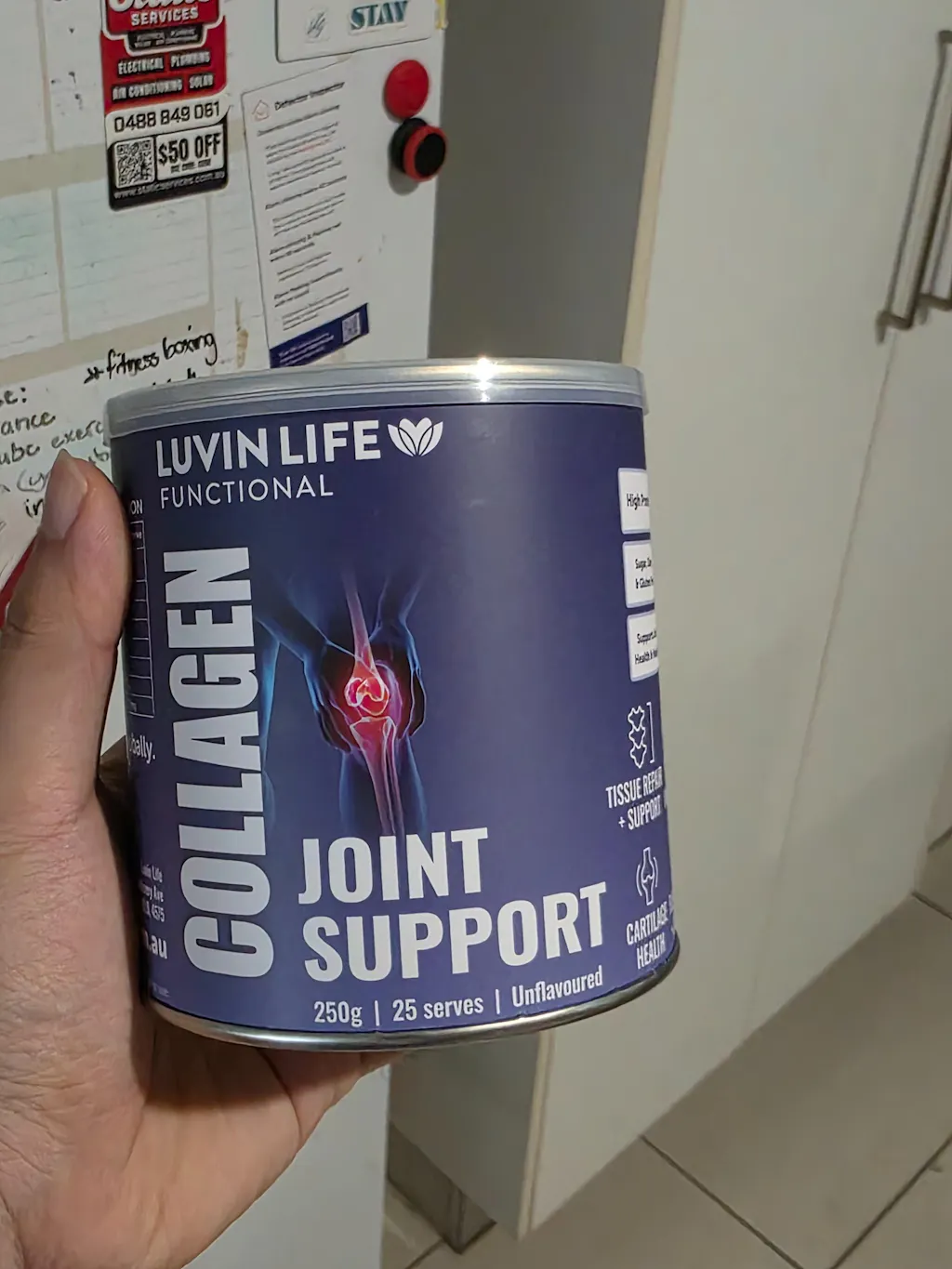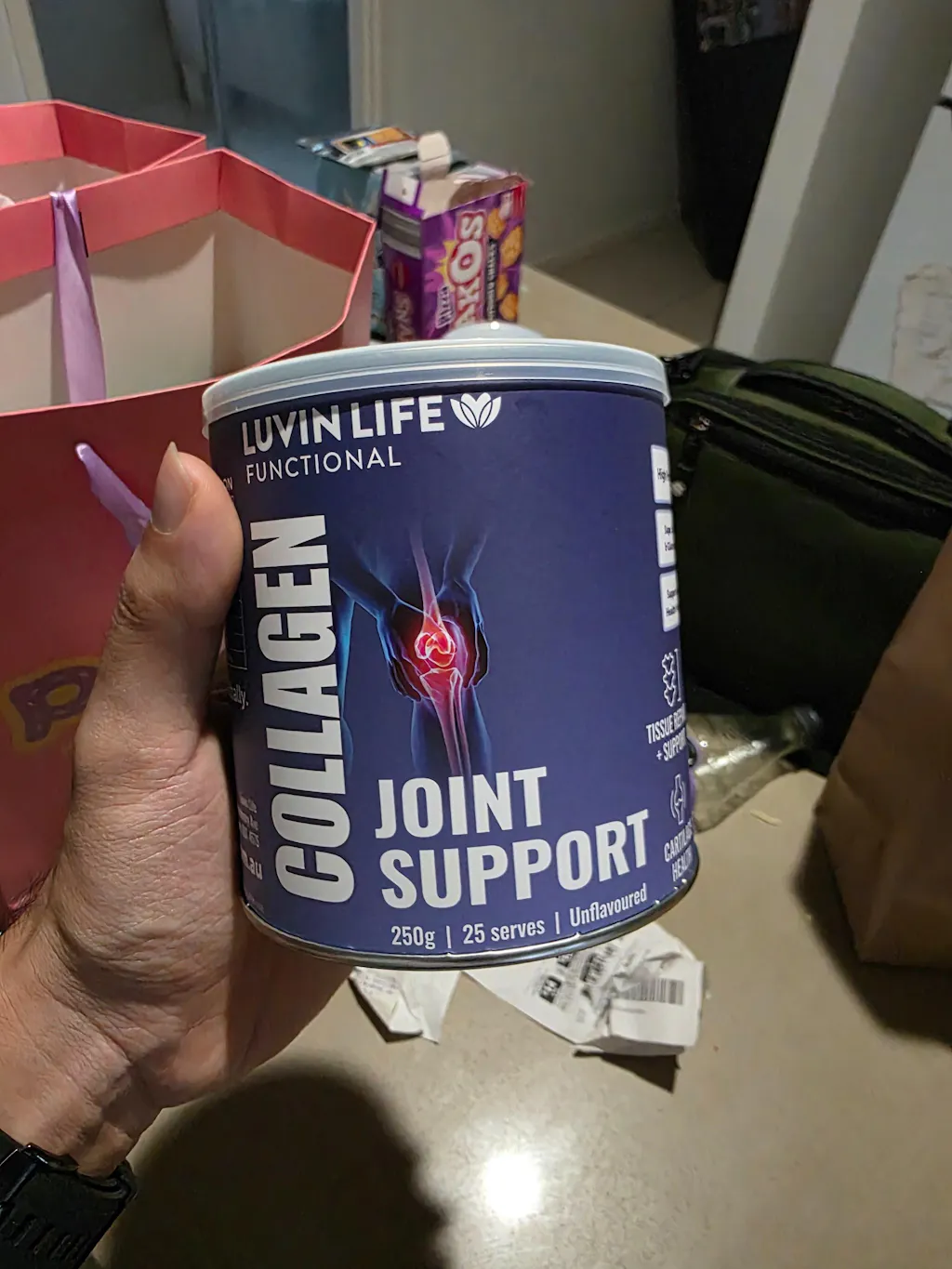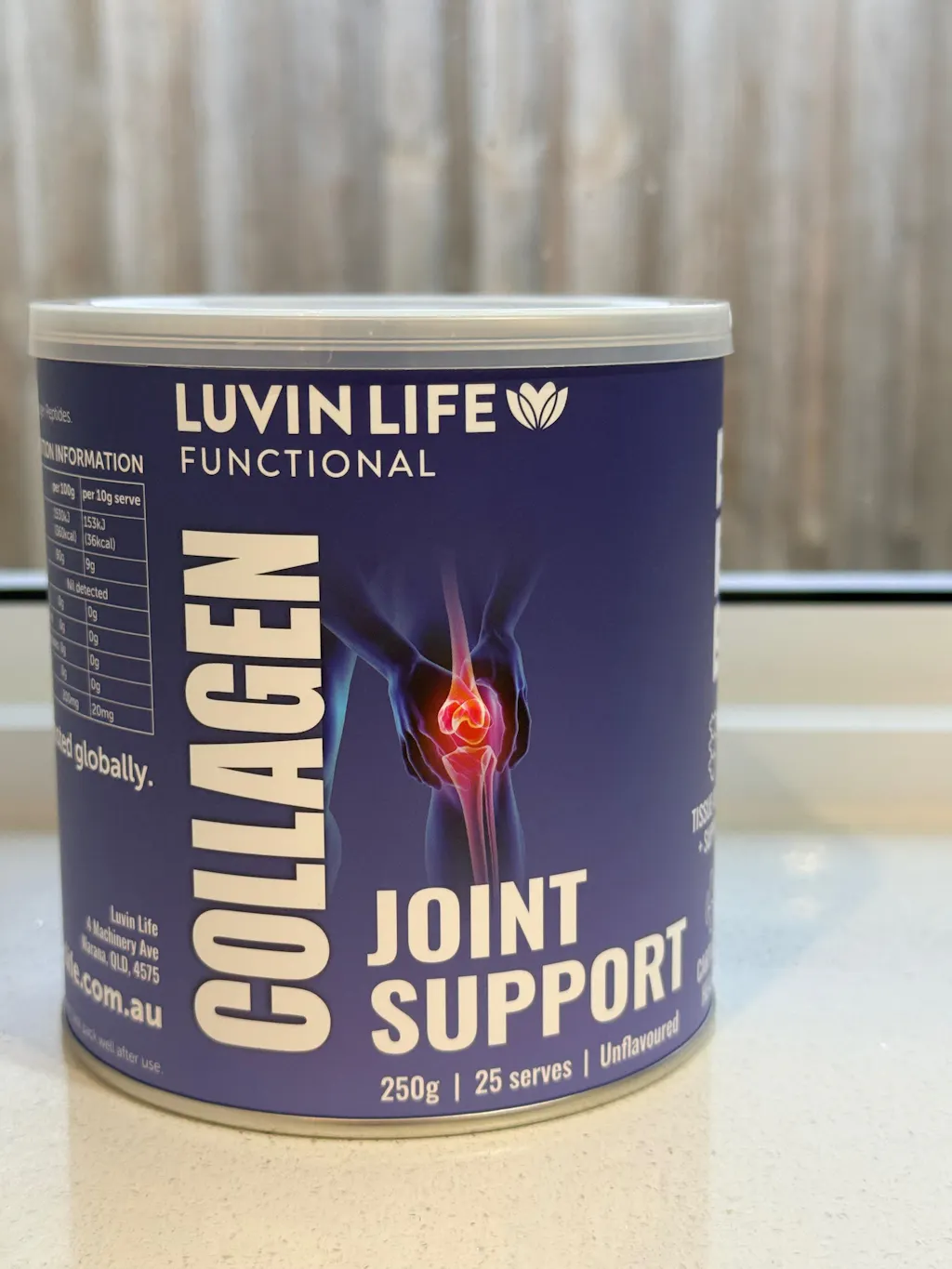


Supports Joint Health


100% FORTIGEL®
Collagen Peptides

Clinically Studied
Real Results

No fillers
No Additives

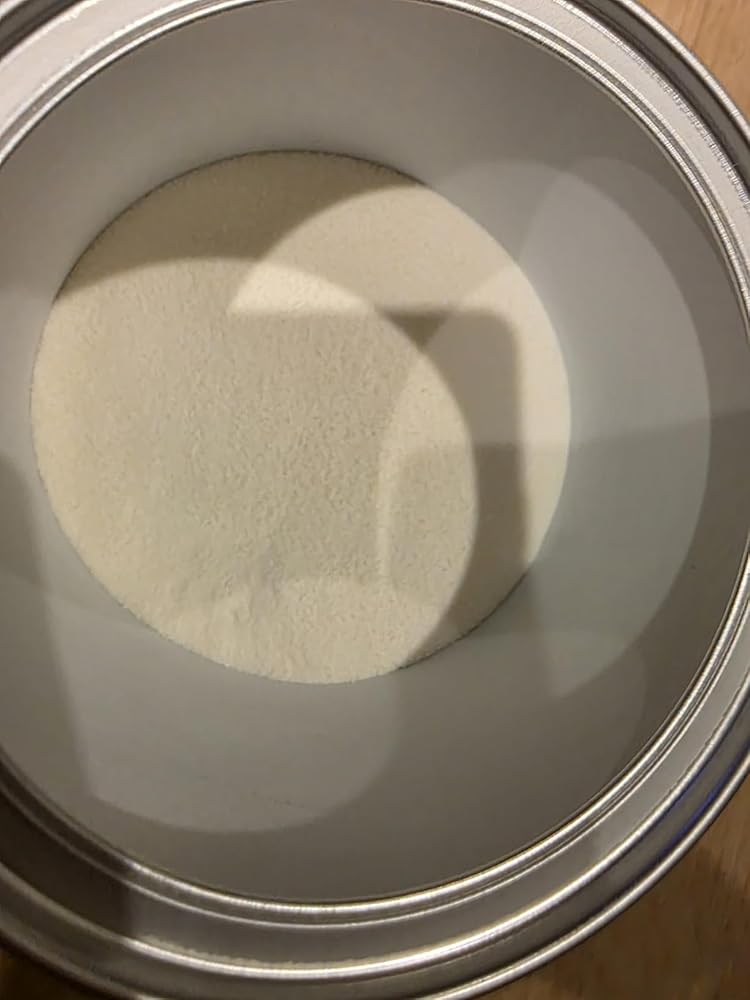
Unflavoured
Mixes Easily

Proudly Australian
Made for active people 35+
100% FORTIGEL®
Collagen Peptides
Clinically Studied
Real Results
No fillers
No Additives
Unflavoured
Mixes Easily
Proudly Australian
Made for active people 35+
What Makes Joint Support Collagen Different?
THE SCIENCE BEHIND IT

CARTILAGE & JOINT HEALTH

ACTIVE LIFESTYLE SUPPORT
CLINICALLY STUDIED
What Makes Joint Support Collagen Different?
THE SCIENCE BEHIND IT
Clinically developed collagen peptides designed specifically for joint health.
Joint Support Collagen is not a standard collagen powder. It’s a patented bioactive collagen peptide researched specifically for cartilage, mobility, and joint function.
Through a unique enzymatic process, targeted collagen peptides are created to help stimulate cartilage cells and support the body’s natural collagen network within the joints.
- Clinically studied bioactive peptides
- Developed specifically for joint support
- Supports mobility & flexibility
- Helps maintain cartilage health
- Researched in active adults
THE SCIENCE BEHIND IT

Clinically developed collagen peptides designed specifically for joint health.
Joint Support Collagen is not a standard collagen powder. It’s a patented bioactive collagen peptide researched specifically for cartilage, mobility, and joint function.
Through a unique enzymatic process, targeted collagen peptides are created to help stimulate cartilage cells and support the body’s natural collagen network within the joints.
- Clinically studied bioactive peptides
- Developed specifically for joint support
- Supports mobility & flexibility
- Helps maintain cartilage health
- Researched in active adults
What Makes Joint Support Collagen Different?
CARTILAGE & JOINT HEALTH
Targeted nutritional support for healthy cartilage and joint function.
Cartilage absorbs impact, cushions movement, and helps joints move smoothly — but daily wear, training, and aging can gradually affect its structure.
Research on Joint Support collagen peptides has shown they may help stimulate the production of collagen type II and proteoglycans, two essential components of healthy cartilage tissue.
- Supports cartilage structure
- Helps maintain joint resilience
- Supports collagen type II synthesis
- Supports proteoglycan production
- Designed for long-term joint health
CARTILAGE & JOINT HEALTH

Targeted nutritional support for healthy cartilage and joint function.
Cartilage absorbs impact, cushions movement, and helps joints move smoothly — but daily wear, training, and aging can gradually affect its structure.
Research on Joint Support collagen peptides has shown they may help stimulate the production of collagen type II and proteoglycans, two essential components of healthy cartilage tissue.
- Supports cartilage structure
- Helps maintain joint resilience
- Supports collagen type II synthesis
- Supports proteoglycan production
- Designed for long-term joint health
What Makes Joint Support Collagen Different?
ACTIVE LIFESTYLE SUPPORT
Daily joint support for active bodies and everyday movement.
Whether you're training, staying active, or simply wanting to move more comfortably, Joint Support Collagen helps provide targeted support for joints under physical stress.
Clinical studies involving physically active individuals demonstrated improvements in exercise-related joint comfort following consistent daily supplementation.
- Ideal for active lifestyles
- Supports movement & mobility
- Suitable for exercise-related joint stress
- Daily wellness support
- Easy daily wellness routine
ACTIVE LIFESTYLE SUPPORT

Daily joint support for active bodies and everyday movement.
Whether you're training, staying active, or simply wanting to move more comfortably, Joint Support Collagen helps provide targeted support for joints under physical stress.
Clinical studies involving physically active individuals demonstrated improvements in exercise-related joint comfort following consistent daily supplementation.
- Ideal for active lifestyles
- Supports movement & mobility
- Suitable for exercise-related joint stress
- Daily wellness support
- Easy daily wellness routine
What Makes Joint Support Collagen Different?
CLINICALLY STUDIED
One of the world’s most researched collagen peptides for joint support.
Joint Support Collagen (FORTIGEL®) has been evaluated in more than 20 human clinical studies investigating joint comfort, cartilage health, mobility, and physical function.
Its patented peptide profile has made it a trusted ingredient used globally in premium joint health formulations designed for active lifestyles and healthy aging.
- 20+ human clinical studies
- Randomized placebo-controlled trials
- Patented bioactive collagen peptides
CLINICALLY STUDIED

One of the world’s most researched collagen peptides for joint support.
Joint Support Collagen (FORTIGEL®) has been evaluated in more than 20 human clinical studies investigating joint comfort, cartilage health, mobility, and physical function.
Its patented peptide profile has made it a trusted ingredient used globally in premium joint health formulations designed for active lifestyles and healthy aging.
- 20+ human clinical studies
- Randomized placebo-controlled trials
- Patented bioactive collagen peptides
CLINICAL TRIALS SHOWN:
1
%
reduction in joint discomfort*
1
%
improvement in joint function*
1
%
reduction in stiffness after rest*
1
%
improvement in mobility & flexibility*
* Based on a 12 week clinical study using 10g/day of FORTIGEL®
Is Your Collagen Actually Supporting Your Joints?
Not all collagen is created equal. Discover the simple, clinically researched formula designed for active people.

Joint Support

Others
EASY TO TAKE.
EASY TO LOVE.

1 scoop /day
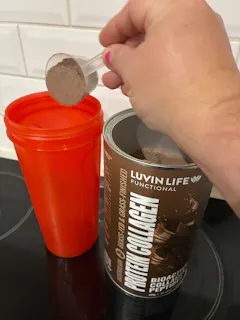
Mix 1 scoop (10g) into water, coffee, smoothies, your favourite food or beverage.

8-12 weeks
For best results, take daily for at least 8-12 weeks.

Build the habit
Consistency is key. Make it part of your daily routine.

Effortlessly Versatile
Unflavoured and versatile - anytime, anywhere.
1 scoop /day
Mix 1 scoop (10g) into water, coffee, smoothies, your favourite food or beverage.
8-12 weeks
For best results, take daily for at least 8-12 weeks.
Build the habit
Consistency is key. Make it part of your daily routine.
Effortlessly Versatile
Unflavoured and versatile - anytime, anywhere.


You've got questions. We've got the answers.
Why Joint Support
Getting results
There are dozens of collagen products out there. What actually makes Joint Support Collagen different?
Most collagen powders are generic
— they deliver amino acids, but there is no targeted evidence those peptides
actually reach your joints and trigger repair. Joint Support Collagen is
formulated with a clinically validated bioactive collagen peptide, developed
using a specific, highly controlled enzymatic hydrolysis process that produces
peptides with a unique molecular fingerprint.
Generic collagen goes through
thermal or chemical hydrolysis, producing a random mix of fragments. The
peptides in Joint Support Collagen are precisely optimised to activate
chondrocytes — the cells that build and maintain cartilage. It is the
difference between scattering seeds randomly and planting them exactly where
they need to grow.
Today, 1 in 4 people suffer from joint problems — and that number is rising.
Joint Support Collagen is built on over 30 years of research specifically
targeting this problem.
- 30+ years of dedicated research
- 1 in 4 people face joint challenges
- ~70% of cartilage mass is collagen
- ~30% of total body protein is collagen
Doesn't collagen just get broken down in digestion like any other protein? How does it reach my joints?
This is the most valid sceptic
question — and the science has a clear answer. Most proteins are fully broken
down into individual amino acids during digestion. The bioactive peptides in
Joint Support Collagen are engineered to be different: their specific molecular
structure allows them to survive digestion largely intact, be absorbed through the intestinal wall, and — importantly — accumulate directly in
cartilage tissue. Published research has
confirmed this uptake.
Once there, they act as biological
signals to your chondrocytes — the cells responsible for producing and
maintaining cartilage. The result is a statistically significant increase in
cartilage tissue metabolism: more collagen synthesis, less breakdown. Collagen makes up nearly 70% of cartilage mass, so this signalling effect has a real, measurable structural impact.
The key distinction:A generic collagen supplement delivers raw building material and hopes for the best. Joint Support Collagen delivers a precise biological instruction — and research confirms the message gets delivered.
What does the clinicalresearch actually show? Walk me through the studies.
The research behind Joint Support
Collagen spans multiple independent institutions, different populations, and
different methodologies. Here is what it shows:
- PENN STATE UNIVERSITY, USA — 2008
First trial in healthy
athletes — activity-related joint pain
147 athletes (mean age 20) with activity-related joint pain received either the active collagen peptide or a placebo for 24 weeks. Statistically significant reduction in pain perception in the active group versus placebo — assessed by both participants and physicians. The active group also significantly reduced their use of secondary treatments like massage, physiotherapy, and ice packs. This was the first trial to show joint improvement in healthy athletes.
2. UNIVERSITY OF FREIBURG, GERMANY — ZDZIEBLIK
ET AL. 2017
160 young adults —
activity-related knee pain, 5g daily for 12 weeks
160 subjects with diagnosed activity-related knee pain took either 5g of the active collagen peptide or a placebo for 12 weeks. After just 6 weeks, statistically significant improvement in pain, stiffness, and physical function was already observed. By 12 weeks, the effect was even more pronounced. More than 40% of participants achieved complete pain elimination. A positive effect was demonstrated in over 70% of the active group. Secondary treatments were substantially reduced.
3. TUFTS MEDICAL CENTER & HARVARD
UNIVERSITY — MCALINDON ET AL. 2011
Structural cartilage change —
confirmed by MRI imaging
30 subjects with early knee osteoarthritis received either 10g daily or a placebo for 48 weeks. MRI scans using dGEMRIC imaging — which visualises structural changes in cartilage — were taken at baseline, 24 weeks, and 48 weeks. Result: statistically significant increase in proteoglycan density in the cartilage of the active group. That is measurable, structural cartilage regeneration — confirmed by imaging at a Harvard-affiliated institution.
Across all independent trials: Daily supplementation with the clinically validated collagen peptide in Joint Support Collagen consistently improves joint comfort, mobility, and — at the structural level — cartilage tissue itself.
Why does the dose matter? Can I just take any collagen supplement for my joints?
Dose and peptide specificity are critical — and this is where most generic collagens fall short. The clinical studies on FORTIGEL® used 10g daily as the effective threshold.Taking less may not provide enough bioactive peptides to trigger the cellular response in cartilage.Generic hydrolysed collagen at the same dose will give you amino acids, but without the specific peptide sequences FORTIGEL® contains, there's no equivalent evidence it reaches your joints and signals repair. Luvin Life Joint Support Collagen is formulated to the clinically validated dose — no guesswork.
Luvin Life Joint Support Collagen is formulated to the clinically validated 10g dose, using the specific peptide profile that the research was built on. No guesswork. No diluted servings.
How is this different from glucosamine or fish oil — things I've probably already tried?
They work through completely
different pathways — and they are not competing. Glucosamine provides building blocks for cartilage matrix. Fish oil targets inflammation. Joint Support
Collagen works upstream of both —
sending a direct biological signal to your cartilage cells to actively regenerate tissue and stimulate collagen biosynthesis.
If you have tried glucosamine without noticing much change, it is likely because glucosamine addresses a
different piece of the puzzle entirely. Joint Support Collagen targets the regeneration mechanism itself — and has a significantly stronger and more specific
clinical evidence base behind it.
Many people use all three together for a
comprehensive approach. They address joint health from completely different
angles — they complement rather than duplicate each other.
I'm still active and training, but my joints are starting to complain. Is this the right time to start?
Yes — and earlier is better. Your
body's natural collagen production begins declining from your mid-20s. The wear and tear on joint cartilage from age, training load, and repetitive movement is
cumulative. If you are noticing stiffness after sessions, slower recovery, or that familiar click in the knees or shoulders, that is exactly the window where Joint Support Collagen is most effective — while there is still healthy cartilage to support and stimulate.
The clinical research backs this up across age groups. The Freiburg trial showed results in athletes in their early 20s. The 2024 Schulze trial showed the same benefits in adults averaging 50, with knee and hip discomfort during everyday activity — not just training. Joint Support Collagen is relevant at every stage of an active life.
Waiting until the discomfort is significant means there is less cartilage tissue to work with. The people who start early and consistently get the best results.
How long before I notice a difference? I don't want to take something for months and feel nothing.
The clinical trials that validated Joint Support Collagen (FORTIGEL®) ran for 12 weeks — that's the evidence-based window. Weeks 1–4 may bring small changes like reduced morning stiffness or slightly easier recovery after training. By weeks 8–12, most people notice more meaningful improvement in joint comfort and mobility.Cartilage repairs at the pace of living tissue, not the pace of a painkiller— so consistency is everything. We recommend committing to 90 days before you make a call on whether it's working. The people who get the best results treat it like a training habit, not a short-term experiment.
When should I take it and can it go in my morning coffee or protein shake?
Morning, on an empty stomach or
with minimal food, is the recommended window — this is when absorption of
bioactive peptides is optimal. Joint Support Collagen is naturally neutral
in taste and odour with no sweeteners or
fillers, so it dissolves cleanly into warm water, black coffee, or your morning
shake without changing the flavour at all.
It has excellent solubility and
delivers a clear solution without interacting with other ingredients — so it
stacks cleanly with whey protein, creatine, omega-3s, or magnesium. Clean label: no E numbers, non-allergenic, and highly digestible.
Do I need to take it every day or just on training days?
Every day — including rest days. Your cartilage cells need a continuous signal to maintain their regenerative activity, not just on the days you are loading your joints. Every clinical trial that produced results was built on daily supplementation. Consistency is what drives the cumulative outcome.
Think of it the same way you think about daily protein intake — missing the occasional day will not derail you, but it is the daily habit over 90 days that produces real, lasting change in
your joints.